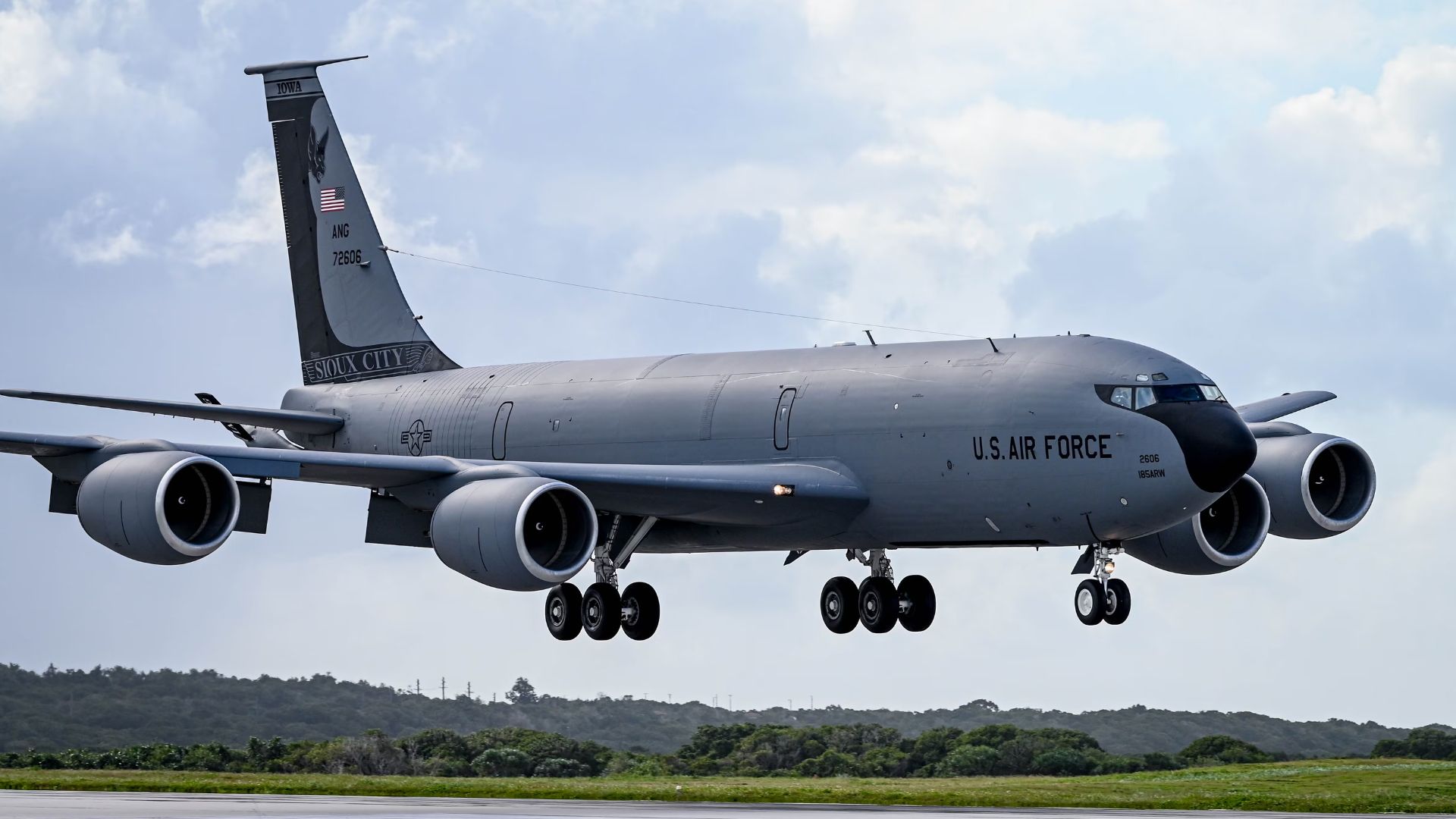
kc-135
KC-135 Stratotanker: The Legendary Aircraft That Keeps American Air Power Moving
The kc-135 is one of the most important aircraft in modern American military history. It may not always get the same spotlight as fighter jets or stealth bombers, but it makes those aircraft more effective. This tanker helps planes stay in the sky longer, fly farther, and complete missions without landing for fuel. That simple ability gives the United States a huge advantage in reach, speed, and mission flexibility.

The kc-135 is far more than a military refueling plane. It is a reliable support aircraft that has helped shape U.S. air operations for decades. Whether supporting fighter aircraft, bombers, surveillance missions, or long-distance deployments, this tanker gives the Air Force and its partners more time and more options in the air. It can also carry cargo and support medical missions when needed, which adds even more value. That broad mission range is one reason it has stayed useful for so long and why it still earns respect today.
For many readers in the United States, the kc-135 represents a quiet kind of greatness. It does not win attention with flashy headlines. It wins through performance, consistency, and trust. When military aircraft need to cross oceans or remain in the sky for long missions, this tanker often makes that possible. In simple terms, it is a force multiplier. It allows other aircraft to do more, go farther, and respond faster. That is why the aircraft remains an important part of the conversation whenever people discuss American air strength and global reach.
KC-135 Biography Table
| Field | Details |
|---|---|
| Full Name | Boeing KC-135 Stratotanker |
| Aircraft Type | Aerial refueling and transport aircraft |
| Country | United States |
| Manufacturer | Boeing |
| First Flight | 1956 |
| Service Entry | 1957 |
| Main Role | Aerial refueling |
| Secondary Roles | Cargo transport, passenger transport, aeromedical support |
| Main Operator | United States Air Force |
| Legacy | One of the most enduring tanker aircraft in U.S. aviation history |
This biography table gives a quick and useful snapshot of the kc-135. It shows the identity of the aircraft, where it came from, and why it matters. From the beginning, the plane was built to support long-range air power. That mission still matters today. The aircraft entered service in the jet age and stayed relevant through modernization, careful maintenance, and proven value. In a world where many aircraft come and go, this tanker built a reputation for durability and purpose.
KC-135 Profile Table
| Profile Item | Information |
|---|---|
| Powerplant | Four turbofan engines |
| Main Refueling Method | Flying boom system |
| Maximum Gross Weight | Up to 322,500 pounds |
| Cargo Capability | Can carry cargo and passengers depending on fuel setup |
| Medical Support | Can support patient movement missions |
| Major Modern Variants | KC-135R and KC-135T |
| Notable Upgrade | Block 45 avionics modernization |
| Main Strength | Extends range and endurance of other aircraft |
| Current Importance | Continues to support U.S. air mobility and tanker operations |
The profile table explains why the kc-135 still holds value even after many years of service. Its design allows it to carry fuel, support other aircraft, and adapt to different mission needs. That flexibility has helped keep the aircraft useful through different eras of military planning. It is not only about age or tradition. It is about performance. When an aircraft can still solve real mission problems, it remains important. That is exactly what this tanker continues to do.
Why the KC-135 Still Matters Today
The kc-135 still matters because distance remains one of the biggest challenges in military aviation. Aircraft can be fast, powerful, and advanced, but none of that changes the need for fuel. Long missions require support. Tankers make it possible for fighters, bombers, and surveillance aircraft to stay in the air much longer than they could on their own. This directly improves mission range, flexibility, and readiness. In practical terms, that means the United States can react more quickly and operate across far larger areas.
This aircraft also matters because it supports many kinds of missions, not just combat. It can assist training exercises, long-distance deployments, transport tasks, and support missions that require quick movement across large regions. The kc-135 helps connect strategy with action. Without reliable tankers, many air operations would become slower, harder, and less flexible. Its role may seem simple on the surface, but its effect is huge. It gives other aircraft time, space, and freedom to do their jobs more effectively.
The History Behind the KC-135
The story of the kc-135 began in the 1950s when the United States needed a modern tanker for the jet age. Military aviation was changing fast, and older refueling aircraft could no longer meet the growing demands of new high-speed operations. The answer was a jet-powered tanker that could support strategic air missions on a larger scale. That solution became the KC-135 Stratotanker, and it changed the future of aerial refueling.
What makes the history of the kc-135 so impressive is how long it has remained useful. Many aircraft are important for one generation, then disappear as technology moves on. This tanker followed a different path. It kept adapting. Upgrades, maintenance work, and improved systems helped it remain relevant over many decades. That long service life is not just a sign of old age. It is proof that the aircraft was built with a strong foundation and a mission that still matters today.
How Aerial Refueling Works
The main purpose of the kc-135 is to refuel other aircraft in the air. This process is called aerial refueling. It allows a receiving aircraft to connect with the tanker while both are flying, then take on fuel without landing. That may sound simple, but it requires careful teamwork, timing, and steady control. The tanker uses a flying boom system, and trained crew members guide the process with great precision.
Aerial refueling is one of the most valuable tools in modern air operations because it removes the limits of short-range planning. A fighter can fly farther. A bomber can stay on mission longer. A support aircraft can remain in place when needed. The kc-135 makes all of that possible. In a real sense, this aircraft carries more than fuel. It carries range, endurance, and opportunity. That is why tankers have such a deep influence on military capability.
Design and Core Features of the KC-135
The kc-135 was designed with function first. It uses four turbofan engines, swept wings, and a structure built around fuel delivery and mission support. That layout gives it the ability to carry large fuel loads while also supporting transport needs. The aircraft can carry cargo and passengers depending on how it is configured, which adds more flexibility to its role. This is one reason it became such a dependable part of U.S. aviation operations.
Another strength of the kc-135 is that its design left room for growth. Over time, it received engine improvements, avionics upgrades, and updated systems that helped it stay effective in a modern environment. This is an important part of its story. Great aircraft are not only built well. They are also built in ways that allow useful improvements later. That smart design approach helped this tanker remain active and valuable long after many people expected it to fade away.
Crew Life and Mission Responsibility
Behind every successful kc-135 mission is a skilled crew. Pilots, operators, maintainers, planners, and support teams all play an important role. Aerial refueling is a team effort, and even small mistakes can create big problems. That is why discipline, training, and attention to detail matter so much. The boom operator, in particular, has one of the most unique jobs in military aviation because that person helps control the fuel transfer connection during flight.
There is also a human side to this aircraft that makes the story stronger. Tanker crews often work long days, demanding schedules, and missions that may not receive public attention. Yet they support aircraft that depend on them completely. That creates a special kind of pride. The kc-135 community built its reputation through reliability and calm professionalism. In many ways, the people behind the aircraft are just as impressive as the machine itself.
Variants, Modernization, and Upgrades
Over the years, the kc-135 has gone through important changes that helped extend its service life. Earlier versions were improved with better engines and upgraded systems, creating later models such as the KC-135R and KC-135T. These modernized aircraft became quieter, more fuel efficient, and more capable. That gave the fleet stronger long-term value and helped it keep pace with changing needs.
One of the biggest reasons the kc-135 stayed relevant is that it did not stand still. Aviation changes fast, and old systems can become weak points if they are not updated. By improving avionics, performance, and core systems, the aircraft remained useful in a modern air force. This is a strong example of how good design and smart upgrades can work together. Instead of becoming outdated, the tanker kept growing into its role and protecting its place in military aviation.
The KC-135 in American and Allied Operations
The kc-135 has supported more than one branch, one region, or one mission type. It has been part of a larger network that includes U.S. forces and allied partners. This matters because military operations often depend on coordination across different aircraft and different nations. A reliable tanker helps make that teamwork possible. It gives aircraft the ability to meet in the air, continue the mission, and reduce the need for extra stops.
For an American audience, this is one of the clearest reasons the kc-135 remains important. It supports the kind of reach that defines U.S. air power. Aircraft can move across regions faster and operate with more flexibility when tanker support is available. This does not only improve combat readiness. It also strengthens training, movement, and strategic response. That broad usefulness is a big part of why the Stratotanker built such a respected legacy.
- Long-range support: Helps aircraft reach distant locations without extra fuel stops.
- Mission endurance: Allows planes to remain on station longer during important operations.
- Joint value: Supports different aircraft types and broader operational teamwork.
Cargo, Medical Support, and Flexible Mission Value
Many people know the kc-135 for aerial refueling, but its usefulness goes beyond fuel transfer. The aircraft can also support cargo movement and help with patient transport missions when configured for that role. This gives it a more flexible profile than many readers expect. In real operations, that flexibility matters a lot because military planning often changes quickly and demands practical aircraft that can shift between tasks.
The ability of the kc-135 to handle more than one mission adds to its long-lasting value. It is not locked into a single purpose. That makes it more useful across a wide range of situations. When aircraft can carry supplies, help move people, and still support the tanker mission, they become more than specialized tools. They become trusted platforms. This flexibility is a major reason the Stratotanker has remained relevant for so many years.
Why the KC-135 Earned Such a Strong Reputation
The kc-135 earned respect because it consistently delivered value where it mattered most. It helped define aerial refueling in the jet age and remained a dependable part of American air operations through multiple generations. The aircraft built trust through service, not hype. That is a big reason its reputation remains strong. People respect platforms that show up, do hard work well, and continue performing year after year.
There is also something deeply practical about the kc-135 story. It shows that the most important systems are not always the most glamorous. Sometimes the aircraft that matters most is the one that helps all the others do their jobs. That idea fits the Stratotanker perfectly. It became a symbol of reliability, endurance, and mission support. Those qualities may sound simple, but in military aviation they are powerful and essential.
KC-135 and the Future of Tanker Operations
The future of the kc-135 is closely linked to the next generation of tanker aircraft. Newer aircraft are entering the picture, but replacement in aviation is rarely sudden. It usually happens in stages. That means the Stratotanker continues to play an important role while the newer fleet grows. This transition period shows just how deeply the aircraft is woven into current operations. It is still doing real work while the future takes shape.
What makes this moment meaningful is that the kc-135 is not fading out in weakness. It is continuing in strength while helping create space for the next chapter. That gives its legacy even more weight. The aircraft has already secured its place in American military history, but it also remains part of the present. That balance between history and current usefulness is rare, and it is one more reason the Stratotanker deserves attention and respect.
What Civilian Readers Can Learn from the KC-135
For civilian readers, the kc-135 tells a simple but powerful story. The most important aircraft are not always the most famous. Some of the most valuable machines are the ones that support others, extend their reach, and solve practical problems every day. That is what this tanker has done for decades. It has helped define how American air operations work by providing fuel, range, and mission support where it matters most.
The aircraft also reflects a strong idea that many people admire. Build something useful, improve it with time, and keep it working with discipline. That is one of the best ways to describe the life of the kc-135. Its story is not only about aviation. It is also about reliability, good design, and the value of steady performance. That makes it interesting even for readers who are not experts in aircraft or military history.
Conclusion
The kc-135 remains one of the most respected and useful aircraft in American aviation history. Its role in aerial refueling changed the way the United States could operate in the air, and its long record of service proves how valuable that mission has been. From fighter support to cargo movement and extended-range operations, the aircraft has shown incredible flexibility and staying power. It earned its legacy through real performance and dependable service.
In the end, the kc-135 stands as a strong symbol of what makes a great aircraft truly great. It is not only about speed, fame, or appearance. It is about usefulness, trust, and the ability to support bigger missions again and again. That is why this tanker still matters. That is why people still respect it. And that is why it continues to hold a lasting place in the story of American air power.
Frequently Asked Questions
1. What is the main job of the KC-135?
2. Is the KC-135 still important today?
3. Can the KC-135 do more than refuel other aircraft?
4. Why has the KC-135 lasted so long?
5. What makes the KC-135 different from other aircraft?
6. Why do people respect the KC-135 so much?
About the Author