pearl harbor
Pearl Harbor: The Day That Changed America Forever
Pearl Harbor is one of the most important events in American history. It was sudden, painful, and unforgettable. The attack shocked the United States, changed public opinion overnight, and pushed the nation into World War II. Even today, Pearl Harbor still stands as a symbol of courage, sacrifice, and national unity.

What Was Pearl Harbor?
Pearl Harbor was a major United States naval base in Hawaii on the island of Oahu. Before the attack, it was one of the most important military bases in the Pacific. The harbor held battleships, aircraft, repair yards, fuel supplies, and thousands of service members. Its location made it critical because it helped the United States protect its interests across the Pacific Ocean. For many Americans, Pearl Harbor represented strength, readiness, and security in a tense part of the world.
That is why it became such an important target. Japan knew the base was central to American naval power in the Pacific. If the fleet at Pearl Harbor could be badly damaged, Japan believed it could gain time and military freedom in the region. In simple terms, Pearl Harbor was not just a harbor. It was a powerful military center and a strong symbol of the American presence in the Pacific.
Pearl Harbor Profile Table
| Detail | Information |
|---|---|
| Event Name | Attack on Pearl Harbor |
| Date | December 7, 1941 |
| Location | Oahu, Hawaii |
| Main Attackers | Imperial Japanese Navy Air Service |
| Main Target | U.S. Pacific Fleet |
| Attack Start Time | Around 7:48 a.m. local time |
| Duration | About 2 hours |
| Americans Killed | 2,403 |
| Americans Wounded | 1,178 |
| Aircraft Damaged or Destroyed | More than 300 |
| Historic Result | United States entered World War II |
| Famous Response | “A date which will live in infamy” |
Why Japan Attacked Pearl Harbor
To understand Pearl Harbor, it helps to look at the wider conflict. In the late 1930s and early 1940s, Japan was expanding across Asia and wanted greater control over land, trade routes, and natural resources. The United States opposed that expansion and placed economic pressure on Japan. Restrictions on oil and other key materials were especially serious because Japan depended on outside supplies to support its military plans.
Japanese leaders decided that a surprise attack could weaken the United States before America had a chance to respond fully. Their goal was to damage the Pacific Fleet at Pearl Harbor so badly that the United States would hesitate to fight a long war. Instead, the attack had the opposite effect. It united the American public, increased military support, and turned Pearl Harbor into the exact event that pushed the nation into total war.
The Morning of December 7, 1941
The attack on Pearl Harbor happened early on a quiet Sunday morning. Many service members were just waking up, eating breakfast, or preparing for a normal day. Then the calm broke. Japanese aircraft flew over Oahu and began dropping bombs and firing torpedoes. The first moments were full of confusion. Some people thought it was a training exercise. Others ran outside and quickly saw smoke, fire, and enemy planes.
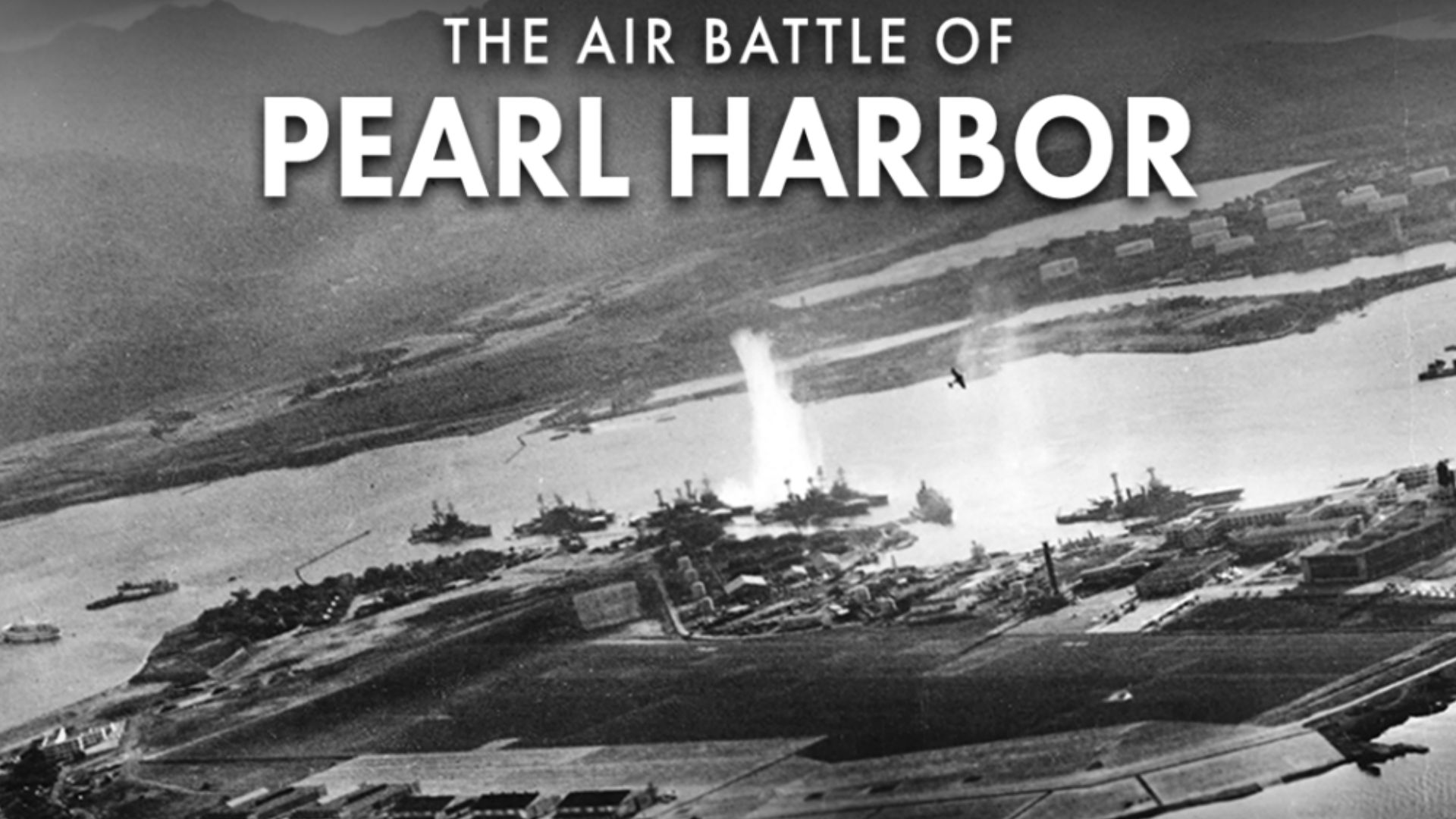
Within minutes, Pearl Harbor had become a scene of destruction and fear. Battleships in the harbor were hit hard. Airfields were attacked. Aircraft parked closely together were destroyed before many could even take off. Service members rushed to fight back with whatever they could reach. The attack was fast, violent, and deeply shocking. For the people there, Pearl Harbor changed from a peaceful base into a battlefield in less than an hour.
Why Pearl Harbor Still Feels So Powerful
Pearl Harbor matters because it combines military history with deeply human stories. It was not only about ships and bombs. It was about real people facing danger without warning. That is why the event still feels personal to so many Americans today.
What Happened During the Attack
The attack on Pearl Harbor came in two major waves. The first wave focused on ships and aircraft. Torpedo bombers flew low and struck battleships in the harbor, while dive bombers attacked from above. The second wave added more damage to military facilities, aircraft, and ships that were still standing. The assault was designed to create as much destruction as possible in a short amount of time.
One of the most tragic moments came when the USS Arizona exploded after a bomb struck near its ammunition storage. Many men were trapped inside, and the ship became one of the lasting symbols of Pearl Harbor. Even though the damage was severe, some important American assets survived. Several aircraft carriers were not at the harbor that day, and key support areas were not fully destroyed. Those surviving resources later mattered greatly in the Pacific war.
The Human Cost of Pearl Harbor
The losses at Pearl Harbor were heartbreaking. A total of 2,403 Americans were killed, and 1,178 were wounded. Those numbers included sailors, soldiers, Marines, and civilians. Battleships were damaged or sunk, airfields were shattered, and smoke covered the sky. Each number represented a life, a family, and a future changed forever. This is one reason Pearl Harbor remains such an emotional event in American memory.
Survivors often described the sounds of explosions, the heat of burning oil, and the confusion of trying to help others while danger was everywhere. Some jumped into the water to escape flames. Others carried the wounded across debris-filled decks. The pain of Pearl Harbor did not end when the attack stopped. Families across the country soon learned that sons, brothers, husbands, and friends had been lost in the attack. That human grief became part of the nation’s story.
Biography Table of Key Figures Connected to Pearl Harbor
| Name | Role | Why Important |
|---|---|---|
| Franklin D. Roosevelt | U.S. President | Led the nation after Pearl Harbor and asked Congress for a declaration of war. |
| Isoroku Yamamoto | Japanese Admiral | Played a major role in planning the attack strategy. |
| Husband E. Kimmel | Commander of U.S. Pacific Fleet | Senior naval officer at Pearl Harbor during the attack. |
| Walter C. Short | U.S. Army Lieutenant General | Responsible for Army defense in Hawaii at the time. |
| Doris “Dorie” Miller | U.S. Navy sailor | Became a hero by helping the wounded and firing at attacking aircraft. |
| Mitsuo Fuchida | Japanese air officer | Led the first wave of the attack on Pearl Harbor. |
| Edwin T. Layton | Naval intelligence officer | Later helped improve understanding of Japanese military intentions. |
| Samuel G. Fuqua | Naval officer on USS Arizona | Remembered for leadership and bravery during the disaster. |
Stories of Courage at Pearl Harbor
The most powerful part of Pearl Harbor is often found in the actions of ordinary people. Sailors risked their lives to save trapped shipmates. Nurses treated wounded men for long hours without rest. Service members fired back even when they had little warning and limited equipment ready. In the middle of confusion and fear, many people chose courage. That bravery became one of the defining legacies of Pearl Harbor.
One of the most remembered stories is that of Dorie Miller. He was a Navy mess attendant and had not been fully trained to operate the kind of weapon he used during the attack. Still, he helped move wounded men and then fired at enemy aircraft. His actions made him a national hero. Stories like his remind us that Pearl Harbor was not only a military event. It was also a deeply human story of strength under pressure.
How America Responded After Pearl Harbor
The day after Pearl Harbor, President Franklin D. Roosevelt addressed Congress and the nation. His words were direct, powerful, and unforgettable. He called December 7, 1941, “a date which will live in infamy.” Soon after, Congress declared war on Japan. The American response was fast because the attack had ended most debate about staying out of the war. Public opinion changed almost overnight.
Across the country, people rallied together. Recruitment grew. Factories expanded. Families supported troops and war production in every possible way. Pearl Harbor became the moment that turned fear into determination. In homes, schools, and workplaces, Americans felt that they had a shared purpose. The attack had wounded the nation, but it had also awakened a powerful spirit of unity that shaped the years that followed.
Pearl Harbor and America’s Entry Into World War II
World War II had already begun before Pearl Harbor, but the United States had not yet entered the conflict as a full combat nation. That changed immediately after the attack. Once Pearl Harbor was struck, American involvement became unavoidable. Soon after, Germany and Italy also declared war on the United States, turning the conflict into a global war for America on multiple fronts.
This shift changed everyday life in the United States. Men and women joined the armed forces in huge numbers. Women stepped into new factory roles. Industry expanded rapidly. Communities adapted to wartime needs. Pearl Harbor was the spark that moved America from watching world events to becoming a central force in them. That is one reason the event remains so important. It marked the start of a new chapter in American power, responsibility, and global leadership.
The Damage Pearl Harbor Could Not Stop
Even though the attack on Pearl Harbor caused huge destruction, it did not fully break American strength. Some of the most important aircraft carriers were not in the harbor that day. Repair capacity remained. Fuel storage and support facilities were not completely destroyed. These details mattered more as the war continued. What Japan hoped would be a crippling blow became instead a painful but incomplete strike.
America recovered faster than Japan expected. Damaged ships were repaired, military strategy improved, and national focus sharpened. Pearl Harbor was a terrible loss, but it did not destroy the will or long-term strength of the United States. In fact, many historians see this as one of the major reasons the attack failed in its larger goal. It shocked America, but it also pushed the country to fight with greater resolve.
Lessons Pearl Harbor Still Teaches
Pearl Harbor still matters because its lessons remain relevant. One lesson is the danger of underestimating threats. Another is the need for strong preparation. Warning signs existed before the attack, but they were not fully understood or acted on in time. That lesson still matters in military planning, national defense, and crisis management. Preparedness is not panic. It is wise protection.
Pearl Harbor also teaches the value of unity. Before the attack, Americans were divided on many issues. After it, the nation came together in a rare and powerful way. It also teaches humility. Even strong nations can be surprised. Even large systems can fail. Looking back at Pearl Harbor helps people better understand the cost of complacency and the value of clear thinking during dangerous times.
Visiting Pearl Harbor Today
Today, Pearl Harbor is both an active military site and a place of remembrance. Visitors from across the United States and around the world come to learn what happened there. One of the most emotional places is the USS Arizona Memorial, built above the sunken battleship. Many visitors describe the experience as quiet, moving, and unforgettable. Even now, oil still rises from the ship, a detail that makes the memory feel immediate and real.
Museums and exhibits at Pearl Harbor help people understand the attack through objects, photos, survivor stories, and military history. For many families, a visit becomes more than a history lesson. It becomes a moment of reflection. Standing in the place where so much changed gives deeper meaning to the story. Pearl Harbor is not only remembered in books. It is preserved in a physical space where the past still feels close.
Why Pearl Harbor Still Matters to Americans
Some historic events fade with time, but Pearl Harbor remains deeply rooted in American memory. It changed how the country viewed war, security, and its role in the world. It also became a symbol of sacrifice. Generations have learned about Pearl Harbor in school, through family stories, and at memorials. It still matters because it represents both deep loss and remarkable national strength.
Pearl Harbor also reminds people not to take peace and safety for granted. The event shows how quickly normal life can change and how important courage becomes in moments of crisis. More than eight decades later, the story still speaks clearly. It is a story about pain, but also about recovery, service, and purpose. That balance is what keeps Pearl Harbor meaningful for Americans today.
Conclusion
Pearl Harbor began as a day of shock, destruction, and heartbreak. Yet it became much more than a military attack. It became a defining moment in American history. In only a few hours, the event changed national policy, public opinion, and the course of World War II. It also revealed incredible bravery from people who had no warning and no easy choices. That is why Pearl Harbor continues to hold such a powerful place in the American story.
Remembering Pearl Harbor means honoring the people who served, the lives that were lost, and the lessons that still matter now. It is a reminder to stay alert, value peace, and meet hardship with strength. The story remains important because it connects grief with courage and memory with purpose. Pearl Harbor is not only about what happened in the past. It is also about what people can learn from it in the present.
Frequently Asked Questions
1. What is Pearl Harbor best known for?
Pearl Harbor is best known for the surprise Japanese attack on December 7, 1941. The attack damaged the U.S. Pacific Fleet and led the United States into World War II. It remains one of the most important turning points in American history.
2. Why did Japan choose Pearl Harbor as a target?
Japan chose Pearl Harbor because it was a major U.S. naval base in the Pacific. Japanese leaders believed that if they damaged the fleet badly enough, the United States would be slower to respond and less willing to fight a long war.
3. How many people died at Pearl Harbor?
A total of 2,403 Americans were killed during the attack on Pearl Harbor, and 1,178 were wounded. The losses included military personnel and civilians, which shows how devastating the event truly was.
4. Did Pearl Harbor start World War II?
World War II had already started before Pearl Harbor. However, Pearl Harbor brought the United States directly into the war. For Americans, it was the event that turned the conflict into an immediate national emergency.
5. Can people visit Pearl Harbor today?
Yes, Pearl Harbor can be visited today. It includes the USS Arizona Memorial, museums, exhibits, and historic locations that help visitors understand the attack and remember the people who were affected by it.
6. What is the main lesson of Pearl Harbor?
The main lesson of Pearl Harbor is that readiness, unity, and clear leadership matter in times of crisis. It also teaches the danger of underestimating threats and the strength people can show when they face hardship together.


